
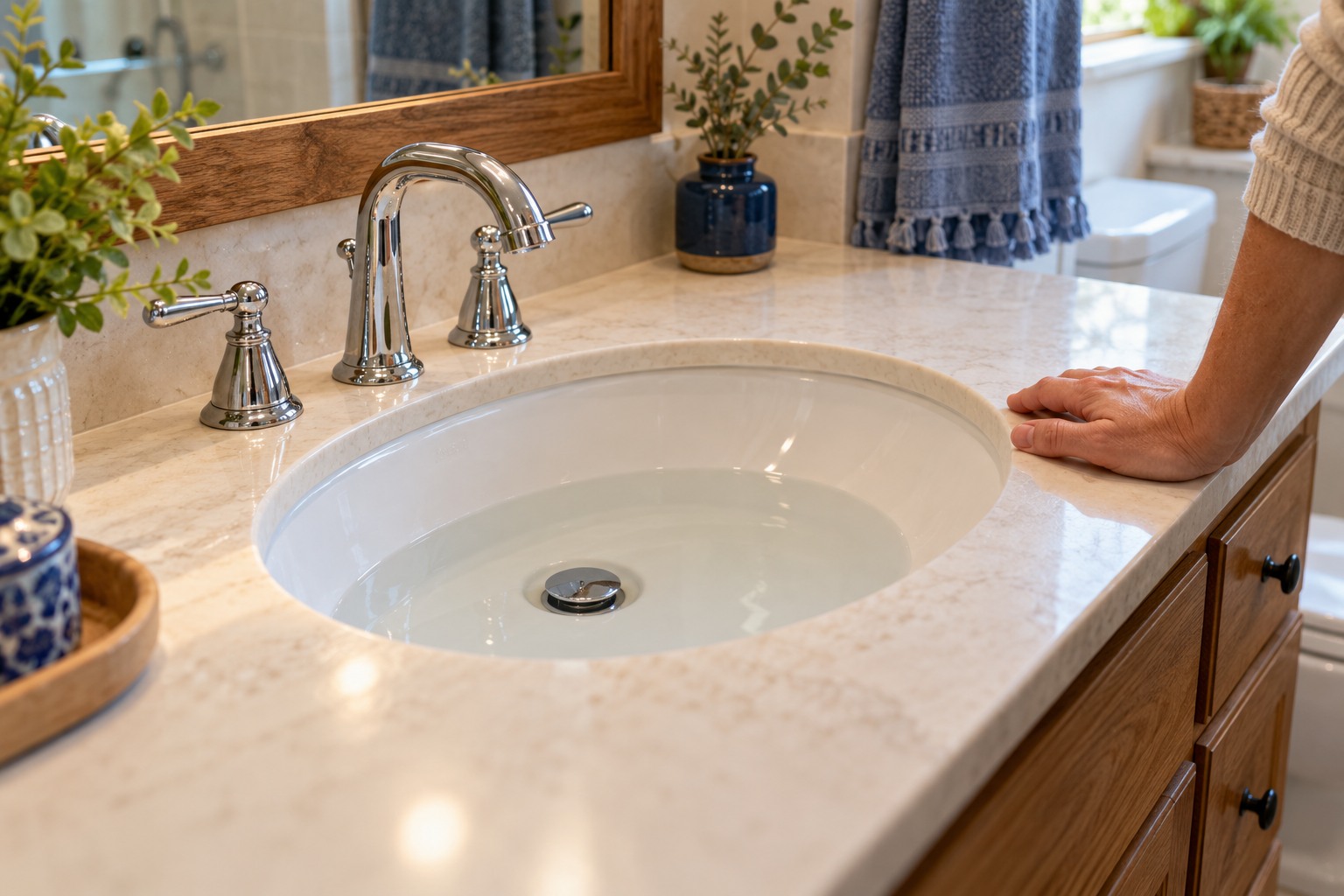
A slow sink is frustrating. Water coming back up through a tub or floor drain is a reason to stop and get help. If you are looking for a plumber in Waco, start with the symptoms you can see—not a guess about what is happening underground.
One slow fixture—or trouble in several places?
A bathroom sink that drains slowly is different from wastewater coming up in a tub when another fixture runs. Before you call, note which fixtures are affected and what happened first. You do not need to run more water to prove there is a problem.
If one fixture is slow while the rest appear normal, describe that pattern. If several drains are affected, or water appears in one fixture when another is used, describe that too. These observations help a plumber decide where to begin; they do not confirm the location or cause of a blockage.
Tell the plumber whether this is a first-time problem or something that keeps returning. A drain that briefly improves and then slows again deserves a conversation about the cause, not just another temporary attempt to get the water moving.
When water comes back up, stop adding more.
If wastewater is backing up, stop flushing toilets and using sinks, showers, the dishwasher, and the washing machine. More water can mean more water returning into the home. Keep people and pets away from the affected area and contact a plumber promptly.
Avoid contact with sewage. Stay clear of standing water near electrical equipment, and do not remove a cleanout cap to investigate a backup yourself. If the situation is unsafe to approach, leave the area and seek appropriate emergency help. Getting a photo is never more important than staying safe.
If you have already used a chemical drain product, tell the plumber the product name and when it was added. Do not mix cleaners or add another product to the drain. Some drain cleaners contain concentrated corrosive chemicals; the person working on the line needs to know what may be present.
In Waco, know which system needs attention.
Your home’s plumbing and the utility’s sewer system are connected, but a backup alone does not establish who owns the affected section or who is responsible for a repair. If you suspect a public sewer issue, report it to your utility as well as describing the symptoms to your plumber.
The City of Waco’s Public Works Utilities page lists MyWaco Central at (254) 299-2489 under “Report a Water Issue or Sewer Backup.” That is the City’s number, not Winnies. If your address uses another utility, use that provider’s reporting route.
If your property is on septic, say so when requesting help. Slow drains or a backup can involve more than the plumbing inside the house. Ask whether you need a plumber, a septic service provider, or both. Do not assume a drain-cleaning visit includes septic-system work.
What to ask before drain work begins.
When you contact Winnies about a drain concern, start with what you have observed: the fixtures affected, whether wastewater is rising, and whether the problem has returned after previous work. Ask the office to confirm service coverage and the next available appointment for your address.
A useful service conversation should cover the proposed diagnostic work, how the line can be accessed, and what is included in the initial visit. If further investigation or repair is recommended, ask what finding supports it and whether the price and scope have changed.
A camera inspection may be useful in some situations, but it is a question to discuss—not a promise that every drain call needs one. Ask what the inspection would answer, whether the line needs clearing first, and what record of the findings you will receive.
The cost of the visit should be tied to the work proposed. Access, the affected part of the system, and whether the job is clearing a blockage or repairing a defect can change the scope. Request a clear explanation before approving additional work.
Once it is flowing, keep the next clog in mind.
Ask what the plumber found, what was done, and which care instructions apply to your plumbing. Keep any photos, inspection findings, and recommendations with the service record. If the symptom returns, those notes make the next conversation more useful.
The City of Waco recommends collecting cooled grease for disposal, keeping food out of drains, and flushing only water, bodily waste, and toilet paper. A disposal does not make every kitchen scrap suitable for the sewer.
If a drain is repeatedly slow, several fixtures are involved, or wastewater is coming back up, you have enough information to ask for help. You do not need to diagnose the pipe before calling a plumber.
Let’s talk about what you’re seeing.
Describe the symptoms and ask about service coverage and appointment availability for your address.
Call (254) 391-6140Contact WinniesSources & further reading
Source information checked October 3, 2026. General guidance; an on-site assessment is needed for a specific diagnosis.